Django: A Retro Font for Professional Branding
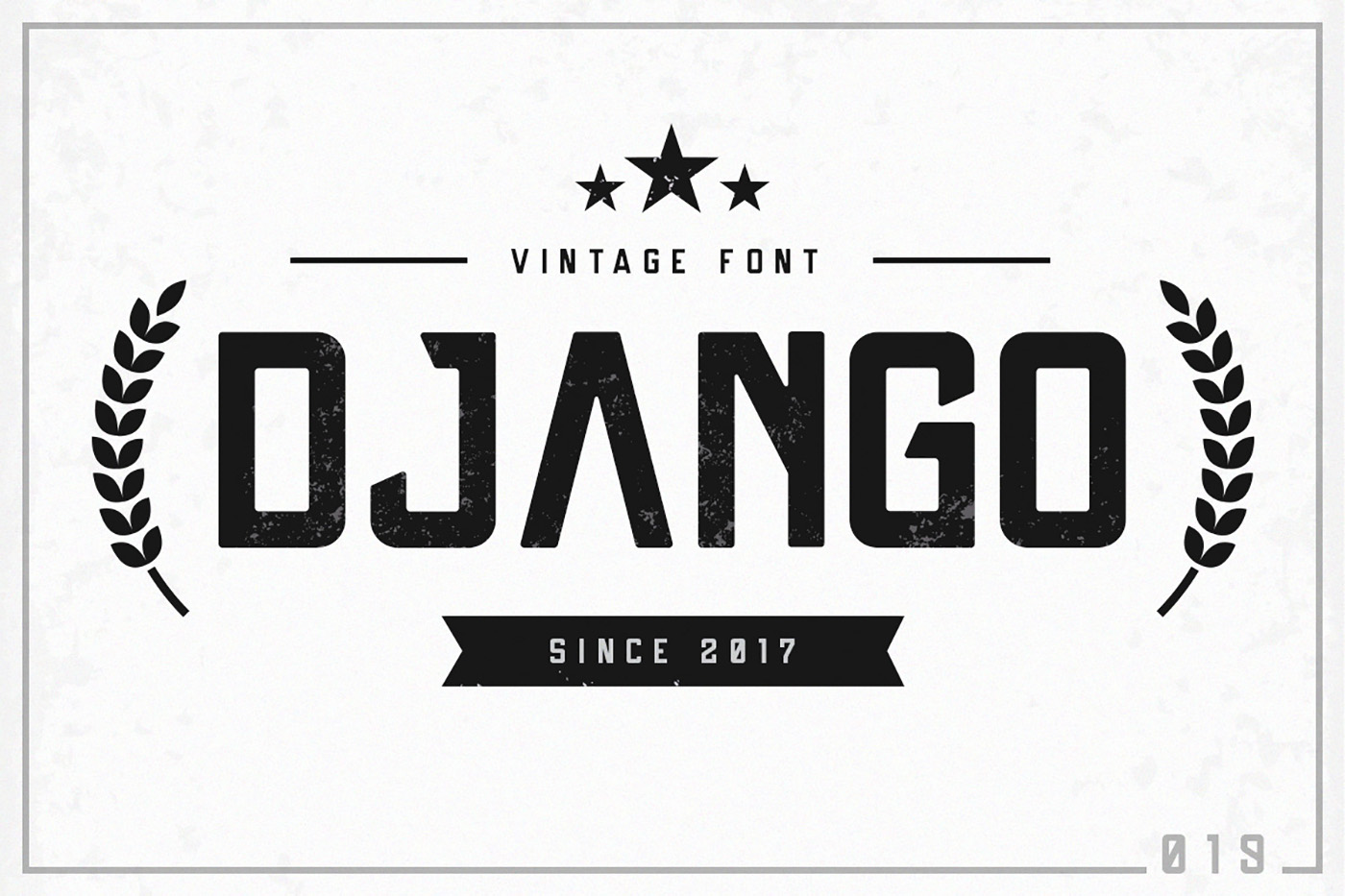
As a small business owner, I know how important it is to create a strong visual identity that stands out. One of the simplest yet most powerful tools in my design toolkit is Django, a retro font that blends a bold weight with a clean sans serif style. It’s perfect for adding character to branding materials while maintaining a modern, professional look.
What Makes Django Stand Out
Django has a unique personality. It feels nostalgic but not outdated, which makes it ideal for businesses looking to evoke a sense of vintage charm without sacrificing clarity. The font’s balanced structure and open letterforms make it highly readable, even at smaller sizes. This is especially useful for product labels, packaging, and social media thumbnails where space is limited.
Its versatility allows it to work well as a headline, logo, or accent font. Whether you're designing a bakery logo, a handmade candle label, or a café menu, Django can help your brand feel cohesive and intentional.
Real-World Applications for Small Businesses
When I first started my online shop, I wanted a font that could represent both creativity and reliability. Django fit the bill. I used it for my website header, social media banners, and product tags. The result was a brand that felt polished and approachable.
For example, if you run a boutique or sell handmade goods, Django can add a touch of personality to your packaging. Pair it with a simple sans serif for body text, and you have a clean, professional look that still feels personal. It also works well on digital ads and Instagram posts, where consistency across platforms is key.
Another area where Django shines is in signage and printed materials. Its bold strokes make it easy to read from a distance, which is great for menus, flyers, and event invitations. It also holds up well on mobile screens, ensuring your message stays clear no matter where your audience is viewing it.
Using Django in Different Branding Elements
For logos, Django can serve as the primary typeface, giving your brand a strong, memorable presence. If you're designing a coaching business or service-oriented brand, using Django in headlines or callouts can help convey confidence and clarity.
On product labels, Django adds a stylish touch that sets your items apart. For beauty products, it can give a vintage-inspired feel that resonates with customers looking for artisanal or natural ingredients. In a café setting, it can be used for menu headers, creating a warm and inviting atmosphere.
When used as an accent font, Django can highlight key phrases or special offers. For instance, on thank-you cards or stickers, it adds a personal, handcrafted feel that customers appreciate.
Testing Django Before Full Implementation
Before committing to a font for your entire brand, it’s wise to test it in different contexts. I recommend starting with one or two key materials, like your website header or social media profile picture. See how it looks in various sizes and backgrounds. Does it remain legible? Does it match the tone of your brand?
Many designers use font testing tools or print samples to get a better sense of how a typeface will perform in real-world settings. This step can save time and ensure that your final design meets your expectations.
Font Pairing Tips for Business Use
Django pairs well with other fonts that complement its style. For a clean, modern look, try pairing it with a simple sans serif like Helvetica or Arial. This creates contrast while keeping the overall design readable and professional.
If you want to add more visual interest, consider pairing Django with a serif font for body text. This combination can give your brand a timeless feel, perfect for businesses that want to appear both creative and trustworthy.
For a more expressive look, pair Django with a script or handwritten font. This is great for small businesses that want to emphasize a personal, artisanal touch. Just be careful not to overdo it—too many decorative elements can make your design feel cluttered.
Commercial Licensing and Practical Considerations
When using Django or any commercial font, it’s important to check the licensing terms. Make sure the font is suitable for your intended use, whether it’s for print, digital assets, or client work. Some licenses may restrict how the font can be used, so always read the fine print.
Once you’ve confirmed the licensing, you can confidently use Django across your brand. From website visuals to product labels, it’s a reliable choice that helps your business look consistent and professional.
Whether you’re launching a new brand or refreshing an existing one, Django offers a versatile and stylish solution. Its retro appeal combined with modern readability makes it a valuable asset for any small business looking to stand out in a competitive market.